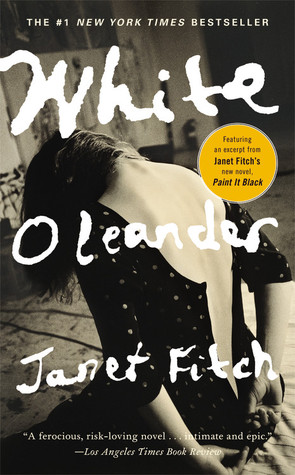
Synopsis
Astrid's psychopathic poet mother murders her ex-lover, throwing Astrid into the worst of the foster care system.
My thoughts
I liked this book in spite of itself. It's one of those insufferable poetry-written-as-prose novels where you get dense paragraphs of dreamy, elaborate thoughts and descriptions and six pages later you're still waiting for the point of it all.
But Astrid is such a remarkable character that I had to admire her. She's delicate yet resilient in the way only teenagers can be. She worships her selfish, manipulative mother but has to grow up on her own when she's put into foster care after her mother is sent to prison for murdering her ex-boyfriend. Astrid is placed in one foster home after another, each with its own unique set of horrors, and she grows tougher as she navigates each one. There's the ultra-religious woman with the boyfriend Astrid seduces (or the boyfriend who seduces Astrid - it's hard to tell). There's the racist woman who uses Astrid as a free babysitter. There's the woman who seems nice but who starves her foster children. But the most heartbreaking is Claire. She seems like the ideal mother; she takes a genuine interest in Astrid and encourages her to dream big. But it slowly becomes obvious that Claire is dealing with deep psychological issues of her own. So just when Astrid has found someone who cares for her and a place where she feels comfortable, it's all cruelly snatched away from her.
White Oleander is a sobering look at the U.S. foster care system, but it needs to be taken with a boulder of salt. Astrid's experiences with the foster care system seem cobbled together from a collection of news articles about the most abusive foster parents and then stretched and exaggerated for dramatic effect. The majority of foster parents are genuinely good people who perform a service I'm not a strong enough person to take on myself.
It's such a depressing story - and it takes nearly 500 pages to tell - that it's tough to stick with it. But it's also strangely uplifting. Astrid just doesn't give up and she grows in amazing ways throughout her harrowing journey. I will say that Janet Fitch is a master storyteller. She has a gift for inserting monster plot twists that are plausible and exciting. The story never went the way I thought it would, and I never felt like Fitch took the easy way out of untangling any of Astrid's myriad problems.
Bottom line
A good story bogged down by fussy, flowery storytelling.
Fine print
White Oleander, by Janet Fitch
Genre: fiction
Photo from Goodreads
I borrowed this book from the library.
Monday, August 5, 2013
Sunday, August 4, 2013
The White Queen
Synopsis
Commoner Elizabeth Woodville goes from Lancaster loyalist to York queen.
My thoughts
The drama is lacking in what should be a riveting book. Elizabeth Woodville was a fascinating woman, the wife of Edward IV and the mother of the princes in the Tower. She was a commoner when she married Edward IV for love (some say she ensnared him with witchcraft) during a lull in England's tumultuous Wars of the Roses. Their union and her family's rise to power alienated some of Edward's staunchest supporters and contributed to Edward's overthrow and the restoration of Henry VI, the previous ruler. Edward fled to Flanders, leaving Elizabeth and their children to seek sanctuary in Westminster Abbey, where their fourth child (and first son) was born. Less than a year later, Edward reclaimed his throne and ruled in relative peace until his untimely death in 1483. His twelve-year-old son came to the throne as Edward V and his brother Richard, Duke of York, was named regent. But before Edward could be crowned, Richard declared Edward IV's marriage to Elizabeth Woodville invalid and their children illegitimate. This cleared the way for him to seize power as Richard III. Edward V and his only living brother (also named Richard) disappeared and were presumed to have been murdered by ... someone. Exactly who killed them and why remains one of history's most intriguing mysteries. (When I visited the Richard III Museum in York in 2006, there was a whiteboard that allowed visitors to write in their own suspects. There were votes for everyone from George W. Bush to the unpopular coach of England's national soccer team.) Anyway, by the end of The White Queen, Elizabeth is left not knowing whether her sons are dead or alive and she has entered into a secret alliance against Richard III with Margaret Beaufort, the mother of Henry Tudor, the heir to the Lancaster claim to the throne.
Elizabeth Woodville was a strong and determined woman and there's a lot of rich material to work with, but there's very little heart or soul to The White Queen. Instead it seems more like a 400-page laundry list of "this happened and then this happened and let's drop this name because it will be important in 80 pages." And the supernatural element that Gregory tries to include feels contrived and cheapens the actual history.
The strengths of the novel lie in Philippa Gregory's ability to breathe life into the uncertain parts of history - whether both princes died or one escaped, who killed them, and whether Elizabeth's eldest daughter (also named Elizabeth) fell in love with her uncle Richard III (ick). She also does a good job describing the futility and brutality of war, particularly a civil war.
I picked up this book because on August 10 STARZ will debut a new series based on The White Queen and the other books in Gregory's "The Cousins' War" series. The hook is that it's the Wars of the Roses from the perspectives of the women who played pivotal roles in the conflict. I probably won't reread this one, but I've already moved on to the next book in the series and I'm interested enough in Gregory's retelling of history that I'll probably read the rest of the books, too.
Bottom line
It's such an amazing story that I'd recommend it despite the lackluster storytelling.
Fine print
The White Queen, by Philippa Gregory
Genre: historical fiction
Photo from Goodreads
I bought this book.
Commoner Elizabeth Woodville goes from Lancaster loyalist to York queen.
My thoughts
The drama is lacking in what should be a riveting book. Elizabeth Woodville was a fascinating woman, the wife of Edward IV and the mother of the princes in the Tower. She was a commoner when she married Edward IV for love (some say she ensnared him with witchcraft) during a lull in England's tumultuous Wars of the Roses. Their union and her family's rise to power alienated some of Edward's staunchest supporters and contributed to Edward's overthrow and the restoration of Henry VI, the previous ruler. Edward fled to Flanders, leaving Elizabeth and their children to seek sanctuary in Westminster Abbey, where their fourth child (and first son) was born. Less than a year later, Edward reclaimed his throne and ruled in relative peace until his untimely death in 1483. His twelve-year-old son came to the throne as Edward V and his brother Richard, Duke of York, was named regent. But before Edward could be crowned, Richard declared Edward IV's marriage to Elizabeth Woodville invalid and their children illegitimate. This cleared the way for him to seize power as Richard III. Edward V and his only living brother (also named Richard) disappeared and were presumed to have been murdered by ... someone. Exactly who killed them and why remains one of history's most intriguing mysteries. (When I visited the Richard III Museum in York in 2006, there was a whiteboard that allowed visitors to write in their own suspects. There were votes for everyone from George W. Bush to the unpopular coach of England's national soccer team.) Anyway, by the end of The White Queen, Elizabeth is left not knowing whether her sons are dead or alive and she has entered into a secret alliance against Richard III with Margaret Beaufort, the mother of Henry Tudor, the heir to the Lancaster claim to the throne.
Elizabeth Woodville was a strong and determined woman and there's a lot of rich material to work with, but there's very little heart or soul to The White Queen. Instead it seems more like a 400-page laundry list of "this happened and then this happened and let's drop this name because it will be important in 80 pages." And the supernatural element that Gregory tries to include feels contrived and cheapens the actual history.
The strengths of the novel lie in Philippa Gregory's ability to breathe life into the uncertain parts of history - whether both princes died or one escaped, who killed them, and whether Elizabeth's eldest daughter (also named Elizabeth) fell in love with her uncle Richard III (ick). She also does a good job describing the futility and brutality of war, particularly a civil war.
I picked up this book because on August 10 STARZ will debut a new series based on The White Queen and the other books in Gregory's "The Cousins' War" series. The hook is that it's the Wars of the Roses from the perspectives of the women who played pivotal roles in the conflict. I probably won't reread this one, but I've already moved on to the next book in the series and I'm interested enough in Gregory's retelling of history that I'll probably read the rest of the books, too.
Bottom line
It's such an amazing story that I'd recommend it despite the lackluster storytelling.
Fine print
The White Queen, by Philippa Gregory
Genre: historical fiction
Photo from Goodreads
I bought this book.
Tuesday, July 30, 2013
Bridget Jones's Diary
Synopsis
Neurotic twentysomething Bridget Jones searches for a career and a man, not necessarily in that order.
My thoughts
So I'm about 17 years late on this book, but it was worth it. I'm what Bridget calls a Smug Married; I guess I deserve that because I thoroughly enjoyed watching her flail around in the dating pool and I'm very happy I got to live vicariously through a fictional British nutcase for a couple days.
Part of the charm of this book is Bridget's histrionics. No one does hyperbole like the British, and Helen Fielding takes the everyday frustrations that we all experience and raises them to the nth degree. The result is pure comedy and Bridget is a fantastic character. She's recognizable and easy to relate to, but her experiences are much funnier than anything that would happen in real life. Fielding even manages to take the decidedly unfunny subjects of a parent's midlife crisis and the crumbling of a marriage and makes them funny.
Minor quibbles: the book veered off into the truly unbelievable at the very end, and I was a little unsatisfied with the romantic resolution because it was too perfect. The Pride and Prejudice tie-in was clever but distracting.
There's a sequel and now a third book coming out later this year. If Bridget couldn't program her VCR in 1996, I'd hate to think how she's dealing with her iPhone today. It's tempting, especially since the original book is so dated, but I think I'll skip the pre-order and wait for the reviews. And who am I kidding? At the rate I'm going I won't get around to reading it until 2030 anyway.
Bottom line
Quick, funny book. Perfect for vacation or escaping from the in-laws.
Fine print
Bridget Jones's Diary, by Helen Fielding
Genre: fiction
Photo from Goodreads
I bought this book.
Neurotic twentysomething Bridget Jones searches for a career and a man, not necessarily in that order.
My thoughts
So I'm about 17 years late on this book, but it was worth it. I'm what Bridget calls a Smug Married; I guess I deserve that because I thoroughly enjoyed watching her flail around in the dating pool and I'm very happy I got to live vicariously through a fictional British nutcase for a couple days.
Part of the charm of this book is Bridget's histrionics. No one does hyperbole like the British, and Helen Fielding takes the everyday frustrations that we all experience and raises them to the nth degree. The result is pure comedy and Bridget is a fantastic character. She's recognizable and easy to relate to, but her experiences are much funnier than anything that would happen in real life. Fielding even manages to take the decidedly unfunny subjects of a parent's midlife crisis and the crumbling of a marriage and makes them funny.
Minor quibbles: the book veered off into the truly unbelievable at the very end, and I was a little unsatisfied with the romantic resolution because it was too perfect. The Pride and Prejudice tie-in was clever but distracting.
There's a sequel and now a third book coming out later this year. If Bridget couldn't program her VCR in 1996, I'd hate to think how she's dealing with her iPhone today. It's tempting, especially since the original book is so dated, but I think I'll skip the pre-order and wait for the reviews. And who am I kidding? At the rate I'm going I won't get around to reading it until 2030 anyway.
Bottom line
Quick, funny book. Perfect for vacation or escaping from the in-laws.
Fine print
Bridget Jones's Diary, by Helen Fielding
Genre: fiction
Photo from Goodreads
I bought this book.
Monday, July 29, 2013
The Lute Player
Synopsis
The crusade of Richard the Lionheart, told by his mother, his lute player, and his sister-in-law.
My thoughts
This is a long book - more than 500 pages - and a lot happens. But what's more striking is what doesn't happen.
This book is remarkable in that it was published in 1951 and it presents Richard I as a homosexual man. Norah Lofts was ahead of her time; she writes Richard without judgment. But she doesn't go any further. The legend (as I remember it) goes that Richard was kidnapped and held captive on his way home from his crusade. No one knew where he was, but his lute player Blondel went from castle to castle searching for him. Blondel would sing a verse from a song he and Richard had written and then he'd pause. He finally found Richard when Richard replied with the next verse from wherever he was locked up. In my imagination, Richard and Blondel were in love, but Lofts shies away from writing it this way and Blondel doesn't even get to tell this most dramatic part of the story. Instead, Richard's sister-in-law, who wasn't even there, gets to narrate this part.
None of this actually happened anyway, but it makes a nice story. There was a medieval lute player named Blondel and he did go on crusade. Richard and his wife Berengaria of Navarre did not have a happy marriage, although Lofts created Berengaria's bastard half-sister Anna for the book. This led to an extremely unsatisfactory love quadrangle: Anna loved Blondel, who loved Berengaria, who loved Richard, who loved Blondel. Fortunately, Eleanor of Aquitaine's point of view was free of this messy narrative and all the better for it. Eleanor is a fascinating woman and I enjoyed her chapters a lot. She also balanced out the hysterical Berengaria nicely.
Bottom line
Solid historical fiction, if a little dated. There's also that anticlimactic ending.
Fine print
The Lute Player, by Norah Lofts
Genre: historical fiction
Photo from Goodreads
I bought this book.
The crusade of Richard the Lionheart, told by his mother, his lute player, and his sister-in-law.
My thoughts
This is a long book - more than 500 pages - and a lot happens. But what's more striking is what doesn't happen.
This book is remarkable in that it was published in 1951 and it presents Richard I as a homosexual man. Norah Lofts was ahead of her time; she writes Richard without judgment. But she doesn't go any further. The legend (as I remember it) goes that Richard was kidnapped and held captive on his way home from his crusade. No one knew where he was, but his lute player Blondel went from castle to castle searching for him. Blondel would sing a verse from a song he and Richard had written and then he'd pause. He finally found Richard when Richard replied with the next verse from wherever he was locked up. In my imagination, Richard and Blondel were in love, but Lofts shies away from writing it this way and Blondel doesn't even get to tell this most dramatic part of the story. Instead, Richard's sister-in-law, who wasn't even there, gets to narrate this part.
None of this actually happened anyway, but it makes a nice story. There was a medieval lute player named Blondel and he did go on crusade. Richard and his wife Berengaria of Navarre did not have a happy marriage, although Lofts created Berengaria's bastard half-sister Anna for the book. This led to an extremely unsatisfactory love quadrangle: Anna loved Blondel, who loved Berengaria, who loved Richard, who loved Blondel. Fortunately, Eleanor of Aquitaine's point of view was free of this messy narrative and all the better for it. Eleanor is a fascinating woman and I enjoyed her chapters a lot. She also balanced out the hysterical Berengaria nicely.
Bottom line
Solid historical fiction, if a little dated. There's also that anticlimactic ending.
Fine print
The Lute Player, by Norah Lofts
Genre: historical fiction
Photo from Goodreads
I bought this book.
Sunday, June 30, 2013
False Impression
Synopsis
A wealthy heiress is murdered, an art specialist is fired, the FBI is investigating her sketchy boss (and, by extension, her), and that's before you throw in a bit of globe-trotting and a Romanian gymnast turned assassin.
My thoughts
I read the first two installments in Jeffrey Archer's Clifton Chronicles, Only Time Will Tell and The Sins of the Father (the third and final book, Best Kept Secret, was published in April). I enjoyed them, so I thought I'd pick up another Archer book - and I ended up liking this one far more than the coming-of-age saga of the Clifton Chronicles.
Part of it was the fact that I liked the protagonist. Actually, I kind of wanted to be the protagonist, what with her extensive knowledge of art and her long-distance running skills. Anna Petrescu is working for aswindler creditor who wants to get his paws on a financially troubled heiress's Van Gogh. The heiress turns up dead when she decides to sell the painting on Anna's advice and we're off to the races on a fast-paced thriller that spans three continents.
There were a few missteps. The story would have been just as dramatic if Archer hadn't used 9/11 as a backdrop (in fact, it feels a bit exploitative to use 9/11 as a plot device). You also have to be able to suspend disbelief for a good portion of the book. But that wasn't a problem for me since I'm trusting and gullible by nature.
Bottom line
Fantastic beach or plane read.
Fine print
False Impression, by Jeffrey Archer
Genre: mystery
Photo by Goodreads
I borrowed this book from the library.
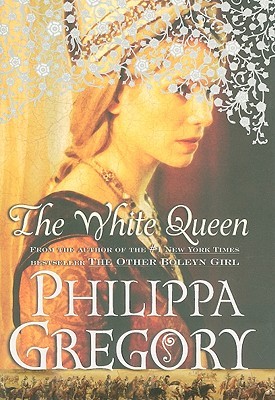
A wealthy heiress is murdered, an art specialist is fired, the FBI is investigating her sketchy boss (and, by extension, her), and that's before you throw in a bit of globe-trotting and a Romanian gymnast turned assassin.
My thoughts
I read the first two installments in Jeffrey Archer's Clifton Chronicles, Only Time Will Tell and The Sins of the Father (the third and final book, Best Kept Secret, was published in April). I enjoyed them, so I thought I'd pick up another Archer book - and I ended up liking this one far more than the coming-of-age saga of the Clifton Chronicles.
Part of it was the fact that I liked the protagonist. Actually, I kind of wanted to be the protagonist, what with her extensive knowledge of art and her long-distance running skills. Anna Petrescu is working for a
There were a few missteps. The story would have been just as dramatic if Archer hadn't used 9/11 as a backdrop (in fact, it feels a bit exploitative to use 9/11 as a plot device). You also have to be able to suspend disbelief for a good portion of the book. But that wasn't a problem for me since I'm trusting and gullible by nature.
Bottom line
Fantastic beach or plane read.
Fine print
False Impression, by Jeffrey Archer
Genre: mystery
Photo by Goodreads
I borrowed this book from the library.
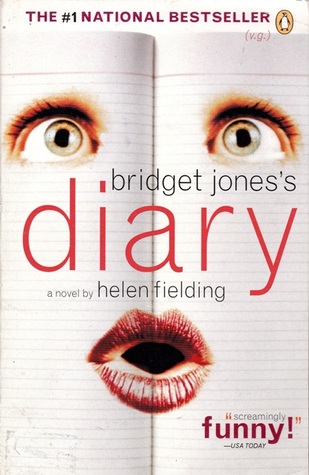
Saturday, June 15, 2013
Outrageous Acts and Everyday Rebellions
Synopsis
A collection of Gloria Steinem's published writings.
My thoughts
Steinem is such an established feminist icon that it's hard to imagine her as anything else. But she wasn't always and in many ways she never set out to become one of the faces of feminism. This collection of essays shows her evolution from a freelance journalist writing an exposé on the New York Playboy Club to a publishing dynamo at the helm of Ms. magazine. Steinem's admirable strength and courage are clear, but I was surprised at how much humility, uncertainty, and even vulnerability she revealed in her writing.
"I Was a Playboy Bunny," first published in 1963, put Steinem on everyone's radar. She got a job as a bunny in New York's Playboy Club and exposed the lies behind the perky smiles and wiggly bunny tails. It was advertised as an empowering job for a modern woman, but Steinem's piece exposed it as anything but. There was a demerit system of dubious legality, a "uniform" that was painful to wear, and a poisonous work environment. And that's before you even get to the lecherous customers. It was startling to realize what a different world it was for women just a few decades ago. We've come a long way, but the other essays in this collection make you realize that there's still a long way to go.
"The International Crime of Genital Mutilation" was one of the first articles to raise awareness about female genital mutilation. Reading it more than 30 years later, I was inspired to do some research and was disheartened by what I discovered. Despite decades and decades of international efforts to end genital mutilation, the World Health Organization estimates that 140 million women are "currently living with the consequences of FGM." 140 MILLION. I don't even know how to imagine that many people.
Only slightly less alarming are Steinem's articles on pornography. I always thought the argument that women who "star" in porn flicks find it liberating was ridiculous, but I was horrified when I realized the extent of the exploitation in the industry.
"Ruth's Song (Because She Could Not Sing It)" is one of the most powerful essays in the book. It's a very personal ode to Steinem's mother, who went from a headstrong journalist who married for love to a nervous shell of a woman who couldn't function or concentrate before she found help.
Most of the essays are strong, but there are also some that fall flat. I wasn't a fan of "If Men Could Menstruate." Maybe it was funny when it was first written, but now it's become stale. "Men would brag about how long and how much." Har har har.
But as sobering as the book is, there are some truly inspirational passages. In particular, in "Far From the Opposite Shore," Steinem writes that when she ends her speeches, she challenges everyone in the audience to do "one outrageous thing in the name of simple justice" in the next twenty-four hours. These range from the ordinary, like talking to an elected official, to the extraordinary, like organizing a voter registration event, to the heroic, like leaving a violent partner. It's one act, but it takes thought and intent.
The book is certainly dated (it was first published in 1987 and contains essays that date back to the 1960s). But it's worth reading for that very reason. It shows how far we've come in a generation while raising questions about what we must do to keep advancing. The book is a call to action and it has a powerful, enduring message.
A collection of Gloria Steinem's published writings.
My thoughts
Steinem is such an established feminist icon that it's hard to imagine her as anything else. But she wasn't always and in many ways she never set out to become one of the faces of feminism. This collection of essays shows her evolution from a freelance journalist writing an exposé on the New York Playboy Club to a publishing dynamo at the helm of Ms. magazine. Steinem's admirable strength and courage are clear, but I was surprised at how much humility, uncertainty, and even vulnerability she revealed in her writing.
"I Was a Playboy Bunny," first published in 1963, put Steinem on everyone's radar. She got a job as a bunny in New York's Playboy Club and exposed the lies behind the perky smiles and wiggly bunny tails. It was advertised as an empowering job for a modern woman, but Steinem's piece exposed it as anything but. There was a demerit system of dubious legality, a "uniform" that was painful to wear, and a poisonous work environment. And that's before you even get to the lecherous customers. It was startling to realize what a different world it was for women just a few decades ago. We've come a long way, but the other essays in this collection make you realize that there's still a long way to go.
"The International Crime of Genital Mutilation" was one of the first articles to raise awareness about female genital mutilation. Reading it more than 30 years later, I was inspired to do some research and was disheartened by what I discovered. Despite decades and decades of international efforts to end genital mutilation, the World Health Organization estimates that 140 million women are "currently living with the consequences of FGM." 140 MILLION. I don't even know how to imagine that many people.
Only slightly less alarming are Steinem's articles on pornography. I always thought the argument that women who "star" in porn flicks find it liberating was ridiculous, but I was horrified when I realized the extent of the exploitation in the industry.
"Ruth's Song (Because She Could Not Sing It)" is one of the most powerful essays in the book. It's a very personal ode to Steinem's mother, who went from a headstrong journalist who married for love to a nervous shell of a woman who couldn't function or concentrate before she found help.
Most of the essays are strong, but there are also some that fall flat. I wasn't a fan of "If Men Could Menstruate." Maybe it was funny when it was first written, but now it's become stale. "Men would brag about how long and how much." Har har har.
But as sobering as the book is, there are some truly inspirational passages. In particular, in "Far From the Opposite Shore," Steinem writes that when she ends her speeches, she challenges everyone in the audience to do "one outrageous thing in the name of simple justice" in the next twenty-four hours. These range from the ordinary, like talking to an elected official, to the extraordinary, like organizing a voter registration event, to the heroic, like leaving a violent partner. It's one act, but it takes thought and intent.
The book is certainly dated (it was first published in 1987 and contains essays that date back to the 1960s). But it's worth reading for that very reason. It shows how far we've come in a generation while raising questions about what we must do to keep advancing. The book is a call to action and it has a powerful, enduring message.
Bottom line
Well worth the read even if you're not a women's studies major.
Fine print
Outrageous Acts and Everyday Rebellions, by Gloria Steinem
Genre: Women's Studies
Photo from Goodreads
I borrowed this book from the library.
Thursday, June 13, 2013
April 1865: The Month That Saved America
Synopsis
Winik's theory is that the foresight and actions of a few powerful men saved the United States from a longer and more damaging Civil War.
My thoughts
The historical "what if" game this book plays is both intriguing and infuriating.
Winik knows what he's talking about. He has a background in national security and foreign affairs, and he's witnessed the aftereffects of some of the most brutal 20th-century civil wars. Civil wars generally don't end as cleanly as ours did. Although we still grapple with the legacy of slavery in this country, the reunification was a success. There was no guerrilla warfare. This was a possibility I'd never considered before. Winik's strength is his ability to ratchet up the tension as he considers the options before each of the major players in the Civil War. Will Lee surrender? Will Grant offer good terms? Will the politicians in Washington honor those terms? Winik manages to draw out the suspense surrounding events that happened almost 150 years ago.
On shakier ground is Winik's argument that the Union's reaction to Lincoln's assassination was a miracle of near-biblical proportions. This portion of the book starts out strong, with a thrilling description of the night John Wilkes Booth barged in to the president's theater box and shot Lincoln. But there are too many ifs here. What if ... Vice President Andrew Johnson's would-be assassin hadn't gotten cold feet at the last moment? What if ... Lincoln's cabinet had refused to turn over power to the detested Johnson?
The book itself is well written and a solid read. Detailed biographies of everyone from Thomas Jefferson to Jefferson Davis take up a good chunk of the book's nearly 500 pages. It's discombobulating to be plopped in late-18th-century Monticello when you're under the impression that you should be at Appomattox in, well, April 1865. But it works because the historical context is critical to understanding why the Civil War ended the way it did and how the Union endured. Winik's succinct biography of Thomas Jefferson is probably the best I've read. It does a tremendous job reasoning the contradictions in his brilliant mind (for example, Jefferson recognized the cruelty and injustice of slavery ... yet he owned slaves [and fathered children with at least one of them, but that's a story for another book that I still haven't read yet]).
Winik also lets his subjects speak for themselves. He quotes liberally from speeches, letters, and other contemporary sources. Lincoln was an ingenious speechwriter. Never has a politician said so much with so few words (I'm thinking of the Gettysburg Address but also his second Inaugural).
Bottom line
Fascinating and informative. Definitely recommended.
Fine print
April 1865: The Month That Saved America, by Jay Winik
Genre: History
Photo from Goodreads
I borrowed a battered copy of this book from my library; it's (understandably) been in circulation a lot.
Winik's theory is that the foresight and actions of a few powerful men saved the United States from a longer and more damaging Civil War.
My thoughts
The historical "what if" game this book plays is both intriguing and infuriating.
Winik knows what he's talking about. He has a background in national security and foreign affairs, and he's witnessed the aftereffects of some of the most brutal 20th-century civil wars. Civil wars generally don't end as cleanly as ours did. Although we still grapple with the legacy of slavery in this country, the reunification was a success. There was no guerrilla warfare. This was a possibility I'd never considered before. Winik's strength is his ability to ratchet up the tension as he considers the options before each of the major players in the Civil War. Will Lee surrender? Will Grant offer good terms? Will the politicians in Washington honor those terms? Winik manages to draw out the suspense surrounding events that happened almost 150 years ago.
On shakier ground is Winik's argument that the Union's reaction to Lincoln's assassination was a miracle of near-biblical proportions. This portion of the book starts out strong, with a thrilling description of the night John Wilkes Booth barged in to the president's theater box and shot Lincoln. But there are too many ifs here. What if ... Vice President Andrew Johnson's would-be assassin hadn't gotten cold feet at the last moment? What if ... Lincoln's cabinet had refused to turn over power to the detested Johnson?
The book itself is well written and a solid read. Detailed biographies of everyone from Thomas Jefferson to Jefferson Davis take up a good chunk of the book's nearly 500 pages. It's discombobulating to be plopped in late-18th-century Monticello when you're under the impression that you should be at Appomattox in, well, April 1865. But it works because the historical context is critical to understanding why the Civil War ended the way it did and how the Union endured. Winik's succinct biography of Thomas Jefferson is probably the best I've read. It does a tremendous job reasoning the contradictions in his brilliant mind (for example, Jefferson recognized the cruelty and injustice of slavery ... yet he owned slaves [and fathered children with at least one of them, but that's a story for another book that I still haven't read yet]).
Winik also lets his subjects speak for themselves. He quotes liberally from speeches, letters, and other contemporary sources. Lincoln was an ingenious speechwriter. Never has a politician said so much with so few words (I'm thinking of the Gettysburg Address but also his second Inaugural).
Bottom line
Fascinating and informative. Definitely recommended.
Fine print
April 1865: The Month That Saved America, by Jay Winik
Genre: History
Photo from Goodreads
I borrowed a battered copy of this book from my library; it's (understandably) been in circulation a lot.
Subscribe to:
Posts (Atom)


